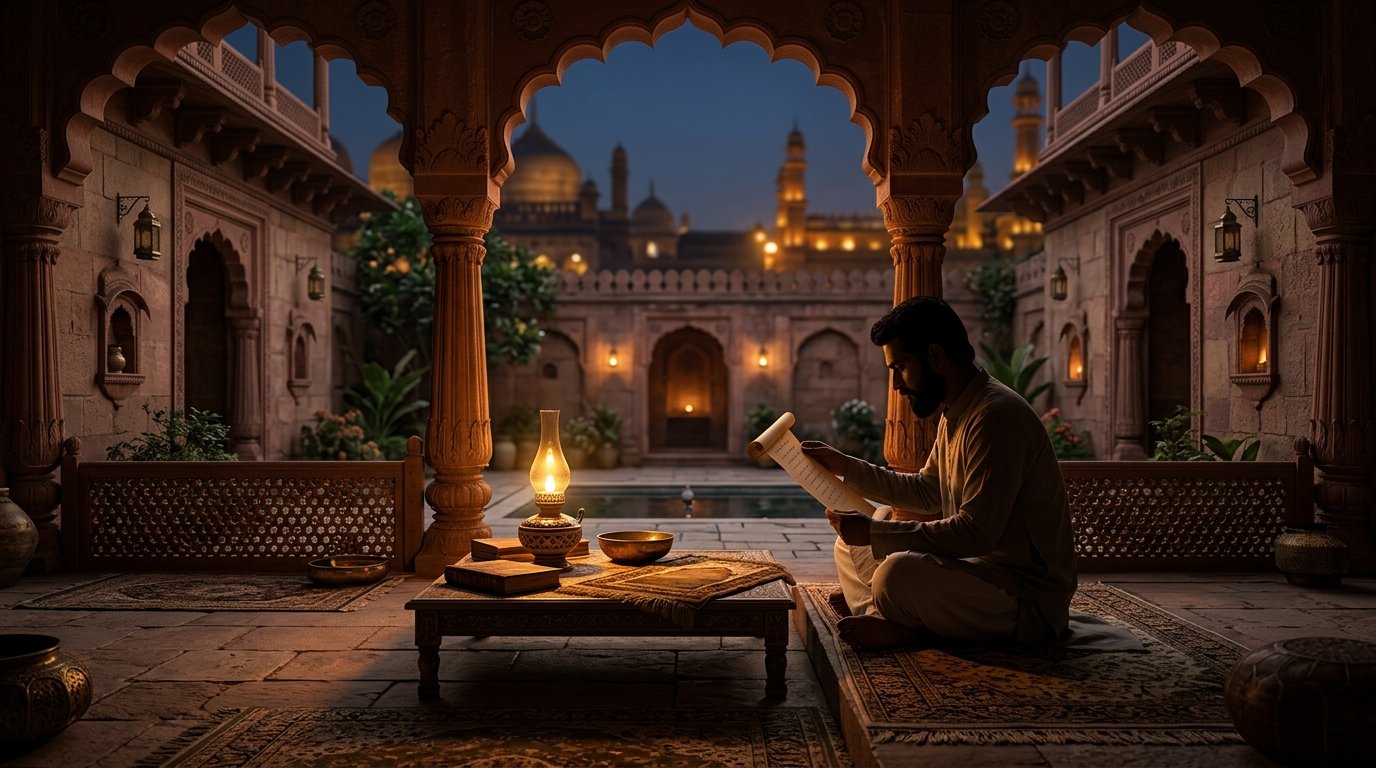
There is something about old shayari that new poetry rarely matches. Maybe it is the weight of the words, chosen slowly by poets who had nothing but ink, paper, and heartbreak. Maybe it is the rhythm, built for recitation aloud rather than a quick scroll on a screen. Whatever the reason, old shayari in Hindi and old shayari in Urdu continue to circulate on WhatsApp statuses, Instagram captions, and late night conversations decades after they were first written.
This guide brings together the history, the poets, and the actual verses that make up the world of purani shayari. You will find old romantic shayari, old sad shayari, old heart touching shayari, and practical tips on how to use them the right way, without copying anyone or losing the meaning behind the words.
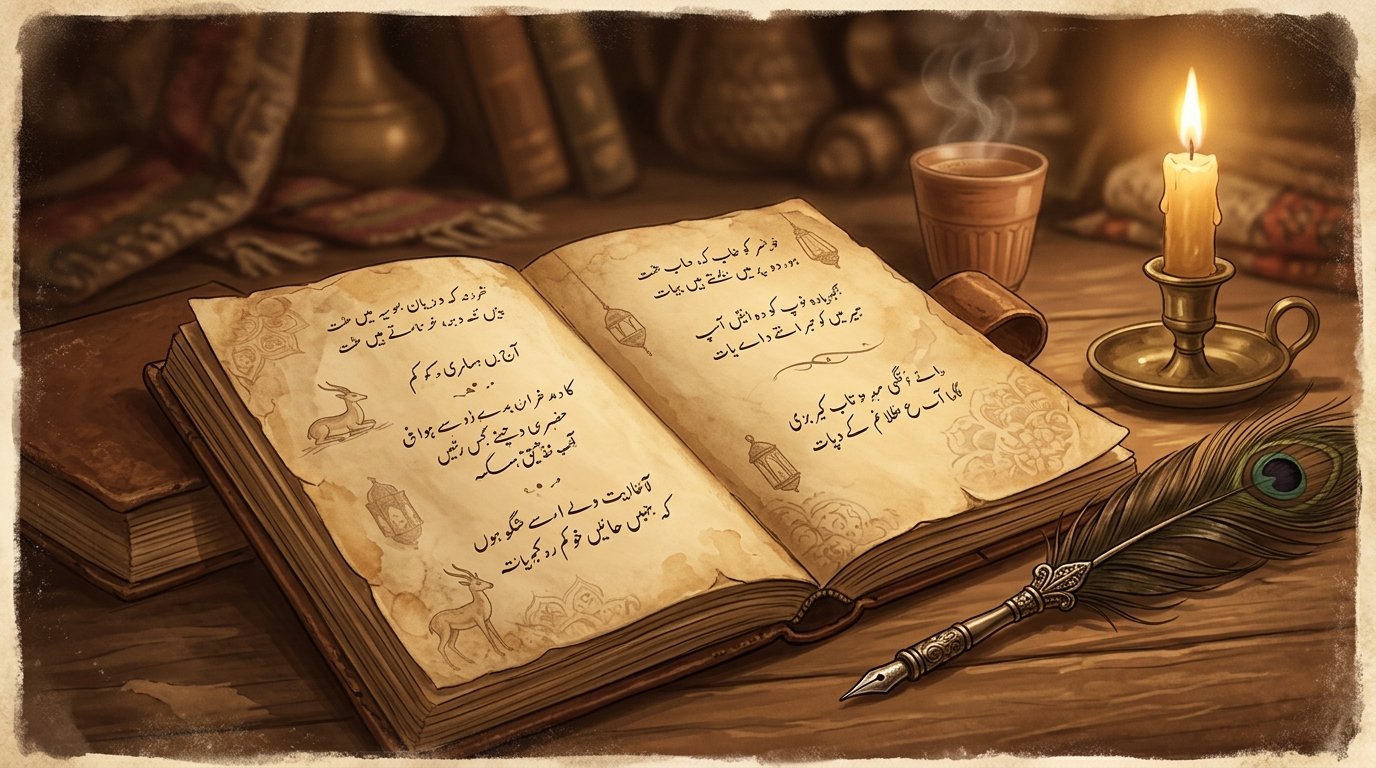
What Old Shayari Actually Means
Shayari is a form of poetry that grew out of the Urdu and Persian literary traditions in South Asia. A single poet is called a shayar, and a two line verse is called a sher. When people talk about old shayari, they usually mean verses written by classical poets from the 18th, 19th, and early 20th centuries, as opposed to modern shayari written for social media trends.
Old hindi shayari and old urdu shayari share the same poetic roots, since Hindi and Urdu both grew from Hindustani, the spoken language of North India. The script changed, and some vocabulary shifted, but the emotional core stayed the same. That is why you will often see the same sher written in both Devanagari and Urdu script, sometimes even attributed slightly differently.
According to Wikipedia, Urdu poetry has its own distinct meter system borrowed from Persian and Arabic prosody, which is part of why old shayari sounds so musical even when read silently.
Shayari vs Ghazal vs Nazm
People often mix these three terms up, so here is the simple version.
A ghazal is a collection of shers that share the same rhyme and refrain, but each couplet can stand completely on its own as a separate thought. A nazm is a longer poem that follows one continuous idea from start to finish, closer to what English speakers think of as a poem. Shayari is the broader umbrella term that covers both, along with rubai and qatas, which are shorter four line forms.
Most of what circulates online as classic shayari today comes from ghazals, picked out sher by sher because each couplet already works as a complete thought.
Why Old Shayari Still Feels So Powerful Today
Old poetry shayari was written before phones, before fast internet, and before people were used to expressing feelings in short bursts. Poets took time to sit with grief, love, and longing before putting a single couplet down. That patience shows in the writing.
There is also a technical reason these lines hit hard. Classical shayari relies on a strict meter and rhyme scheme called beher and qafiya. Every syllable is placed with intention, which is part of why old shayari status lines sound complete and satisfying, even in just two lines.
Finally, the themes are universal. Love, separation, memory, and loneliness do not go out of style. A sher written in 1850 about waiting for a beloved reads exactly the same today, because heartbreak has not changed much in two centuries.
Famous Poets Behind Classic Shayari
You cannot talk about old shayari collection without mentioning the poets who built the tradition.
Mirza Ghalib is widely considered the greatest name in Urdu and Persian poetry. Born in Agra in 1797, Ghalib started writing poetry at the age of eleven and went on to become the defining voice of the late Mughal era. He was born on December 27, 1797, in Agra, and remains one of the most popular and influential masters of the Urdu language, known simply as Ghalib. His shers mix philosophy, wit, and personal sorrow in a way few poets have matched since. Al Jazeera
Mir Taqi Mir came before Ghalib and is often called the ustad of Urdu poetry, the teacher whose style shaped everyone who followed. Even Ghalib himself paid homage to Mir Taqi Mir in his own closing couplets, showing that true artistic greatness runs as a continuum rather than starting fresh with each generation. Rekhta
Other legendary names include Faiz Ahmed Faiz, known for blending romance with political resistance, Jaun Elia, famous for raw and confessional lines, and Allama Iqbal, whose poetry mixed spirituality with a call for self reliance. Some believe the roots of shayari itself trace back to the 13th century, with Amir Khusrau often credited as an early figure who wrote in both Persian and Hindavi. Caleidoscope
Reading these poets gives context to why certain lines feel timeless rather than trendy.
Old Romantic and Love Shayari
Old romantic shayari tends to avoid saying “I love you” directly. Instead, the poet describes longing, distance, or a single glance that changed everything. This indirect style is one reason old love shayari in Hindi and Urdu feels more layered than a modern one line caption.
A well known example from Ghalib captures this mood well, describing a thousand desires where each one demanded a piece of the heart, yet even after many were fulfilled, they still felt like too few. It is a line about wanting more from love than life allows, which is why it still gets shared as old shayari for lovers today.
If you are picking old shayari for love to use in a message or caption, look for verses that describe a feeling rather than naming a person. That keeps them flexible enough to fit almost any real situation.
Old Sad and Heart Touching Shayari
Old sad shayari and old dard bhari shayari deal with themes of separation, unfulfilled love, and quiet suffering. These verses do not rush to a resolution. They sit inside the pain and describe it precisely, which is exactly what makes them feel honest rather than dramatic.
Old emotional shayari often uses metaphors from nature, a candle burning itself out, a wound that never fully closes, autumn leaves falling alone. These images were common tools among 19th century poets because they let the reader feel the emotion without the poet stating it outright.
If you are writing or sharing old shayari on heartbreak, pick lines that show restraint. The strongest old shayari on pain rarely uses the word pain at all.
Old Shayari on Life, Friendship, and Memories
Not all classic shayari is about romance. Old shayari on life often reflects on time passing, mistakes made, and lessons learned too late. These lines work well as captions for reflective posts or simply as something to read when you need perspective.
Old shayari on friendship is less common in the classical tradition compared to love and loss, but several poets wrote about loyalty, betrayal by friends, and the comfort of true companionship. These verses translate surprisingly well into modern usage, since friendship struggles have not changed much either.
Old shayari on memories and purani yaadein shayari focus on nostalgia, the ache of remembering a person or a place that no longer exists the same way. This category is especially popular for old shayari status posts, since most people can relate to missing something from the past.
Two Line and Four Line Old Shayari
One reason old shayari collection pages do so well online is the format. A sher is naturally two lines, which fits perfectly into a WhatsApp status or Instagram caption without needing to trim anything.
Old two line shayari, sometimes searched as old 2 line shayari, usually follows this structure. The first line sets up a situation or image. The second line delivers the twist, the emotion, or the punch. Reading it out loud in one breath usually reveals whether the meter is correct, which is a good way to spot verses that are properly attributed to classical poets versus modern imitations wrongly credited to them.
Old four line shayari, closer to a rubai, gives the poet more room to build an idea before landing the final thought. These are less common on social media simply because they take longer to read, but they carry more depth.
How to Use Old Shayari the Right Way
For WhatsApp Status and Instagram Captions
Keep it short, pick a two line sher, and try to credit the poet if you know who wrote it. Old shayari for whatsapp status works best when the verse matches your actual mood rather than being picked just because it sounds poetic. Mismatched shayari tends to feel forced to anyone who reads Urdu or Hindi poetry regularly.
For Understanding the Meaning
If a word feels unfamiliar, especially in old urdu shayari, look it up rather than guessing. Persian and Arabic loanwords carry specific emotional weight that a rough translation often misses. A little research goes a long way toward appreciating why a particular sher became famous in the first place.
Common Mistakes People Make
A lot of pages online misattribute shers to Ghalib simply because his name adds credibility. If a verse sounds too simple or modern in phrasing, it likely was not written by a classical poet at all. Another common mistake is mixing up dialects, using modern Hindi phrasing inside a verse credited to an 18th century Urdu poet, which breaks the meter and the authenticity.
People also tend to change words slightly when sharing shayari from memory, which slowly distorts the original over years of copying and reposting. Whenever possible, cross check a sher against a reliable poetry archive before treating it as the exact original.
Frequently Asked Questions
Final Thoughts
Old shayari survives because it says something true about being human, and it says it beautifully. Whether you are drawn to old classic love shayari, purani mohabbat shayari, or quiet lines about memories and loneliness, these verses reward a little patience. Read them slowly, learn who wrote them, and share them with the respect the original poets deserve. That is really the only rule that matters when it comes to keeping this tradition alive.
Sources: